A Monument of Rhinestones and Soul: A Tribute to Dolly Parton
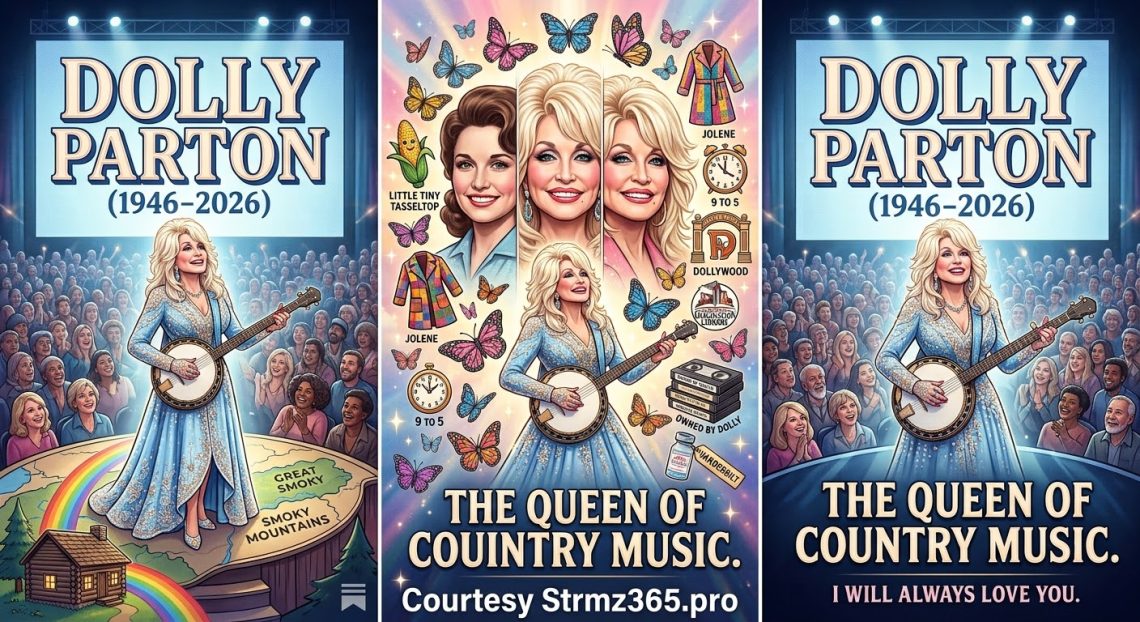
In the landscape of American culture, few figures loom larger, shine brighter, or speak to the heart more directly than Dolly Parton. She is more than a singer; she is a songwriter, a philanthropist, an entrepreneur, a unifying icon, and, perhaps most importantly, a masterclass in radical authenticity. This is a tribute to the Smoky Mountain native who conquered the world, not by changing who she was, but by dialing it up to eleven and refusing to apologize.
The Seed of Greatness: Sevierville
Dolly’s story is ingrained in her music, a narrative of poverty transformed into poetry. Born the fourth of twelve children in a one-room cabin on the banks of the Little Pigeon River in Sevier County, Tennessee, her upbringing was, as she famously described, “dirt poor.”
Yet, that dirt was fertile ground for a legendary songwriter. Her father, Lee Parton, could not read or write, a fact that later fueled one of Dolly’s most significant acts of grace. Her mother, Avie Lee, was a storyteller who infused her children with music and folklore. From her mother, Dolly learned to sing and to find the rhythm in the struggle; from her father, she inherited a fierce work ethic and an understated business sense.
The songs born of this time—”Coat of Many Colors,” “In the Good Old Days (When Times Were Bad)”—are not just sentimental recollections. They are clear-eyed examinations of hardship through the lens of love and resilience. When she wrote about her mother sewing together scraps to make a coat, she wasn’t writing a fairy tale; she was capturing the dignity of survival.
The Pen and the Voice
While Dolly’s visual presence is an undeniable part of her brand, it is her mastery as a songwriter that forms the bedrock of her legacy. She is credited with writing over 3,000 songs. The depth and breadth of her catalog are staggering. She possesses the rare ability to build a world in three minutes, creating characters so vivid they feel like old friends, or neighbors.
Her most iconic tracks are studies in craftsmanship. “Jolene” (1973) is a masterclass in suspense and vulnerability, driven by a haunting, syncopated guitar riff. The protagonist’s pleading is raw and desperate, breaking the mold of the typical country-western song of jealousy.
Conversely, “I Will Always Love You” (1974) is a formidable statement of professional independence disguised as a ballad. Written as she dissolved her partnership with Porter Wagoner to pursue a solo career, the song is a bittersweet farewell that puts her own artistic needs first while still offering love and respect. It is a testament to her songwriting genius that the song resonated across genres, becoming a global phenomenon in Whitney Houston’s interpretation decades later. Dolly’s decision to own the publishing rights to that song, even when Elvis Presley wanted to record it, is perhaps one of the savviest business moves in music history.
The “Cheap” Aesthetic that Costs a Fortune
One cannot discuss Dolly without discussing “The Look.” The towering blonde wigs, the hourglass figure, the high heels, and the rhinestones that catch every light in the house—it is an aesthetic she adopted early on, inspired by the “town tramp” of her youth.
But Dolly reversed the joke. By leaning fully into her hyper-feminine, cartoonish aesthetic, she reclaimed control over her image. She wore the clothes before they could wear her. Her famous quip, “It costs a lot of money to look this cheap,” is a reminder that she is the architect of her own persona. She is soft, but she is shrewd. She is glamorous, but she remains down-to-earth. She used the visual language of camp to create a shield and a bridge simultaneously, becoming a figure equally beloved by drag queens, traditionalists, and feminists.
The Kingdom of Dollywood and the Library of Imagination
Her business acumen extends far beyond owning her master tapes. While the music industry tried to place limits on what a female artist could achieve, Dolly built a kingdom in her home state. Dollywood, her theme park in Pigeon Forge, Tennessee, is more than an amusement park; it is an economic engine for the region and a physical monument to her legacy on her own terms. It celebrates Smoky Mountain culture, providing jobs and boosting local economies, fulfilling her promise to give back to the place that made her.
Yet, her greatest legacy might be found not in rhinestone gowns or rollercoasters, but in the hands of children. Her philanthropy is tangible and community-first. In honor of her father, who never had the chance to read, she established the Imagination Library in 1995. The program, which started locally, now gifts a free book every month to millions of children from birth until they begin school across the globe. By gifting over 200 million books, she didn’t just donate money; she donated opportunity, legacy, and hope to generations.
Conclusion: The Bridge Across Differences
Dolly Parton is an icon in the truest sense of the word. In an increasingly polarized society, she remains one of the few figures universally adored. Her music cuts across demographic lines; her humor is disarming; her kindness feels authentic. She has spent her life being fully herself—traditional yet fiercely independent, deeply spiritual but entirely non-judgmental.
Her message is simple: “Find out who you are and do it on purpose.” By her example, she shows us that you don’t have to shrink to fit in, and you don’t have to apologize for your shine. Dolly Parton isn’t just a singer-songwriter from Tennessee; she is a standard-bearer for kindness, resilience, and the unapologetic art of living out loud. I will always love her.